
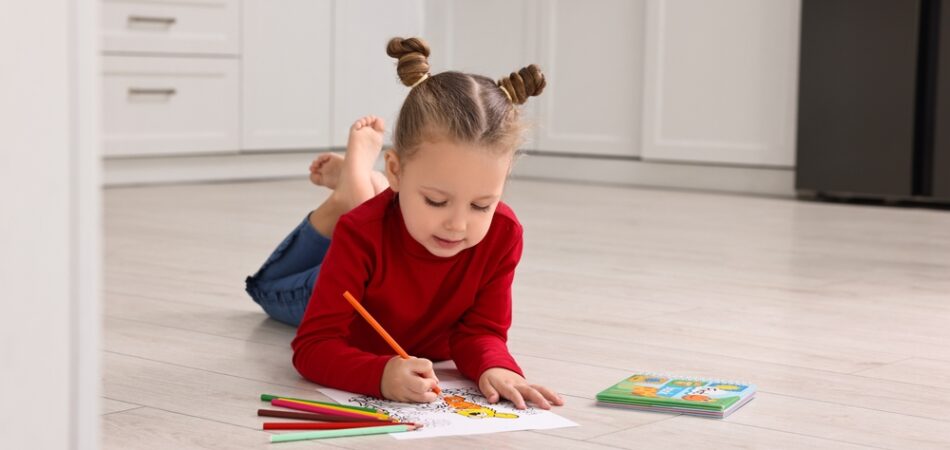
As the seasons change and winter settles in, families often find themselves navigating new challenges. The days grow shorter, the temperatures drop, and outdoor playtime becomes limited. For toddlers and preschoolers, who thrive on consistency and physical activity, these changes can have a noticeable impact on their behavior, mood, and sleep patterns. Understanding the ways winter affects young children and implementing gentle strategies to help them adjust can make this transition smoother for everyone in the household.
Why Winter Affects Young Children Differently
Unlike older children and adults, toddlers and preschoolers have not yet developed the coping mechanisms or reasoning skills to understand why routines suddenly shift. Their worlds are rooted in predictability, and any change—especially one as all-encompassing as winter—can feel jarring. As the daylight hours diminish, the early darkness can disrupt circadian rhythms, leading to sleepiness, irritability, or bursts of unexplained energy late in the evening. This makes adjusting to shorter days for kids a developmental hurdle that requires thoughtful parenting strategies.
Additionally, colder weather limits outdoor activities that help toddlers burn off energy and regulate emotions. Fresh air, movement, and exposure to natural light are essential components of a toddler winter routine, and when these are reduced, it can lead to restlessness, mood swings, or resistance to new indoor routines. For preschoolers, whose schedules might involve structured preschool programs, the disruption of morning light and reduced after-school playtime may also contribute to more visible preschooler behavior changes in winter.
Establishing a Winter-Friendly Routine
One of the most helpful tools for supporting young children during the colder months is the establishment of a consistent and warm winter routine. Toddlers, in particular, rely heavily on cues in their environment to transition between activities. With less natural daylight acting as a cue, parents and caregivers can turn to other routine markers like meals, storytime, and quiet play to provide structure.
Creating a cozy and calm indoor space is the foundation for successful indoor routine tips for toddlers. Consider how lighting, temperature, and sound play a role in signaling different parts of the day. Soft lamp lighting can replace the brightness of daylight in the mornings and evenings, helping kids to gradually adjust their internal clocks. Similarly, maintaining a consistent wake-up and bedtime even on weekends can help stabilize energy levels.
For toddlers, make room in the daily schedule for physical activity even indoors. Dancing, yoga, obstacle courses using pillows, or even shadow play can mimic the movement and sensory experiences typically found outdoors. Preschoolers benefit from slightly more structured time blocks that include independent play, creative activities like art or storytelling, and social time with family members or friends.
Meal and snack times should also remain consistent. The comfort of familiar tastes and the timing of nourishment help create a rhythm that children can count on. Including warm, nutrient-rich meals can also boost energy and mood, making it easier to navigate the emotional ups and downs that often accompany the winter months.
Understanding Emotional and Behavioral Shifts
Winter doesn’t just alter the external environment—it also has a profound effect on the emotional landscape of young children. Many parents report experiencing more tantrums, clinginess, or sleep resistance as the seasons change. These preschooler behavior changes in winter are not unusual and often stem from a combination of reduced physical activity, increased indoor time, and limited exposure to sunlight, which affects mood-regulating hormones.
For toddlers, the inability to express complex feelings about these changes can lead to frustration and defiance. They may resist naps, ask for more snacks than usual, or seem constantly underfoot. Preschoolers, who are more verbal but still emotionally immature, may whine, express boredom, or show signs of anxiety they don’t fully understand.
Acknowledging these emotional shifts without judgment is key. Offer reassurance with physical affection, validating words, and consistency. Saying things like, “It’s okay to feel upset. Winter is different, but we’ll make it cozy,” helps children feel understood rather than disciplined for what they can’t control. Emotional regulation techniques, such as breathing games or feelings charts, can also be introduced in playful ways to empower preschoolers with coping tools.
Incorporating rituals can also be grounding. Lighting a candle during storytime or having a special “winter cuddle blanket” can become soothing touchpoints that bring comfort and predictability. These small gestures create positive associations with the new season and its routines.
Creating Meaningful Indoor Experiences
One of the most important indoor routine tips for toddlers and preschoolers is to intentionally design activities that stimulate their senses, imaginations, and emotions. Just because the play is indoors doesn’t mean it has to be passive or boring. In fact, winter is the perfect time to deepen your child’s interest in creative, sensory-rich activities that may get less attention during the busier, more outdoor-focused seasons.
Art projects using textured materials, winter-themed sensory bins, and imaginative storytelling sessions can spark curiosity and provide a sense of adventure right from the living room. Pretend play can take on new life when children are encouraged to build forts, act out winter animal stories, or run a pretend bakery.
You might also consider incorporating music into your toddler winter routine. Morning singalongs or evening wind-down playlists help to establish auditory cues that signal the start or end of certain daily segments. Music also uplifts mood, supports language development, and helps children express emotions when words are limited.
Reading becomes especially powerful during the winter months. It offers both bonding time and cognitive stimulation, which is essential when energy levels are high, but physical space is limited. Rotating books that reflect the winter season helps children build understanding and acceptance of the changes they’re experiencing.
Supporting Sleep and Light Exposure
One of the biggest challenges of adjusting to shorter days for kids is the shift in their natural sleep cues. The body’s production of melatonin, a hormone that regulates sleep, is influenced by light exposure. In winter, with fewer hours of daylight, children may become sleepy earlier in the afternoon and wired again at night, leading to disrupted sleep cycles.
To combat this, it’s helpful to maximize natural light during the morning and early afternoon. Open curtains, take short walks even on cold days, and arrange indoor play near windows when possible. If natural light is hard to come by, consider a child-safe light therapy lamp for short morning sessions, under pediatric guidance.
Evening routines should be calm and low-stimulation, beginning at a consistent time each night. Dim lighting, quiet play, and relaxing activities like warm baths and stories can all signal to a child’s body that it’s time to wind down. Sticking to a reliable bedtime—even during holiday breaks—helps reinforce the internal clock and ensures that children are getting the rest they need to grow and regulate emotionally.
If your toddler or preschooler is suddenly struggling with sleep despite a solid routine, it may help to examine other areas of their daily rhythm. Are they getting enough physical activity? Too much screen time in the afternoon? Are naps still appropriate, or are they interfering with nighttime rest? Adjustments in one part of the routine can have ripple effects throughout the day.
Conclusion
Winter brings with it a variety of changes that can be disorienting for toddlers and preschoolers, from darker afternoons to an increase in time spent indoors. However, with a thoughtful approach, these months can be filled with connection, creativity, and comfort. Establishing a consistent toddler winter routine, responding empathetically to preschooler behavior changes in winter, and making conscious efforts to maintain exposure to light and movement all contribute to smoother transitions.
Ultimately, adjusting to shorter days for kids is not just about adapting their schedules, but about creating a warm, secure environment where they feel understood and supported. Embracing this season as a time of slowing down and deepening bonds can turn even the grayest winter day into an opportunity for growth and joy. With the right mindset and a few intentional practices, your home can be a cozy haven that nurtures your child through every stage of the winter journey.
Need Childcare Services Near You?
At Happy Hearts on the Hudson our goal is to establish an environment rich in self-expression and self-confidence. Where every child learns the importance of responsibility, decision making, and respect for others. We are a family-owned business caring for children from 6 weeks old to 12 years old. Our teachers strive to develop the children’s skills by engaging their hearts as well as their minds. For fun, care, or child education feel free to stop by or give us a call today!